In modern industrial environments, boilers are at the heart of energy production, supporting operations across power generation, petrochemical processing, and heavy manufacturing industries. These systems operate under extreme temperatures and continuous combustion conditions, making flame detection accuracy a critical component of both safety and efficiency.
Any delay or error in detecting flame conditions can lead to severe consequences, including fuel accumulation, combustion instability, equipment damage, or even catastrophic explosions. As industrial safety standards become stricter, traditional flame detection technologies are no longer sufficient to meet performance and reliability expectations.
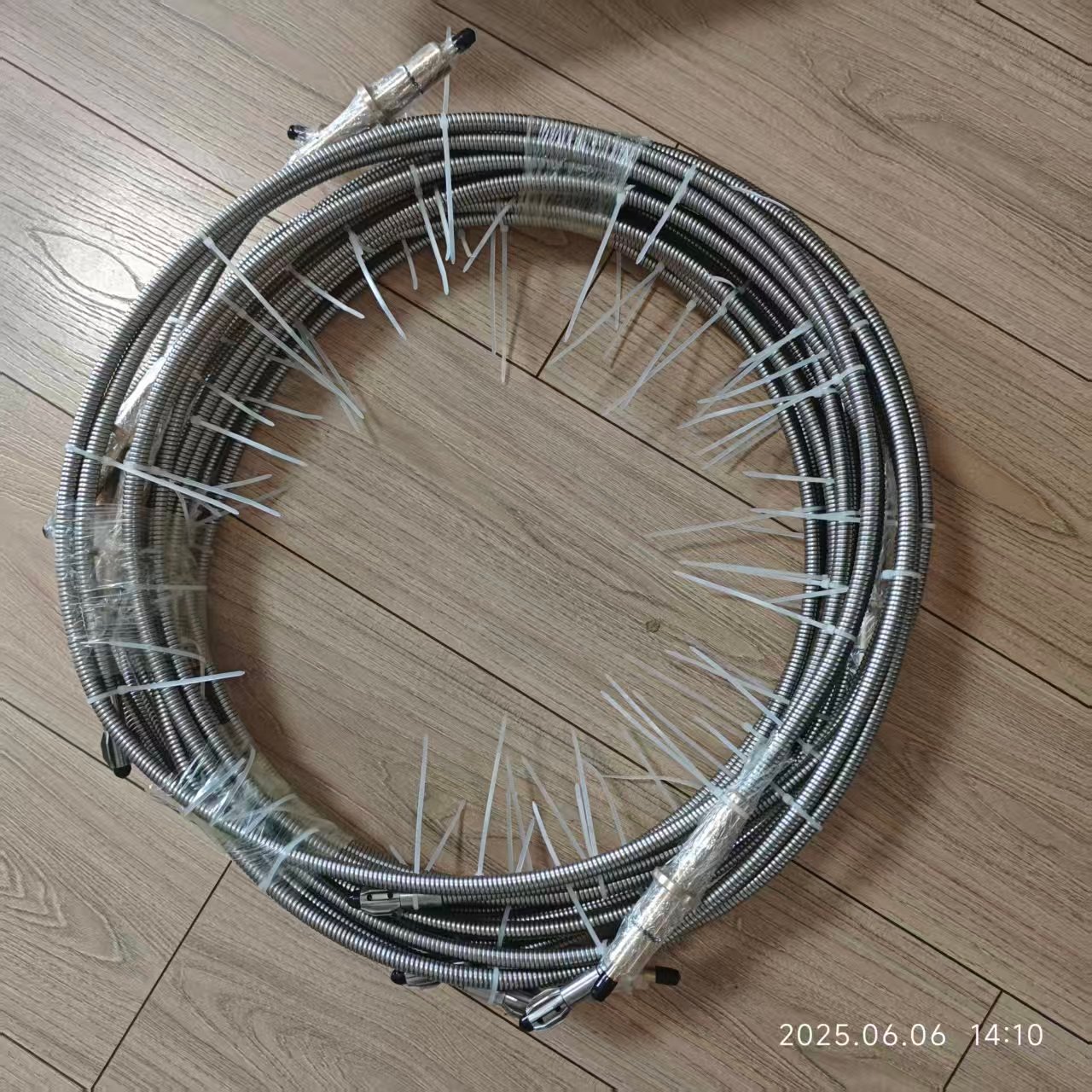
This is where advanced optical fiber solutions, such as the SF810-F0-G-2400-N Flame Detection Optical Fiber, play a transformative role. By improving signal stability and enabling remote sensing capabilities, optical fiber technology significantly enhances the accuracy of flame detection systems in industrial boilers.
The Importance of Accurate Flame Detection in Boilers
Industrial boilers rely on controlled combustion processes to generate heat and energy. Flame detection systems ensure that combustion is stable and continuous by monitoring the presence and characteristics of the flame.
Key functions of flame detection systems include:
Verifying flame presence during ignition and operation
Detecting flame failure instantly
Monitoring combustion quality
Triggering safety shutdown mechanisms
Without accurate detection, boilers are exposed to several risks:
Unburned fuel accumulation leading to explosions
Reduced combustion efficiency
Increased emissions and environmental impact
Unexpected downtime and maintenance costs
Therefore, achieving high accuracy in flame detection is essential for both operational safety and performance optimization.
Challenges in Traditional Flame Detection Systems
Conventional flame detection technologies, such as ultraviolet (UV) and infrared (IR) sensors, have been widely used in industrial boilers. However, they face several limitations in harsh environments.
High Temperature Exposure
Sensors placed close to combustion zones are subject to extreme heat, which can degrade components and affect performance.
Electromagnetic Interference
Industrial environments generate electromagnetic noise that can distort electrical signals.
Mechanical Vibration
Boilers and turbines produce constant vibration, leading to sensor misalignment or damage.
Limited Flexibility
Traditional sensors require direct line-of-sight, restricting installation options.
These challenges often result in inaccurate readings, frequent maintenance, and reduced system reliability.
Optical Fiber Technology: A Modern Solution
Optical fiber-based flame detection systems overcome many of the limitations associated with traditional methods.
Instead of placing sensors directly in high-risk areas, optical fibers transmit flame signals from the combustion zone to remote detectors. This design provides several advantages:
Isolation of sensitive components from extreme conditions
Stable signal transmission unaffected by electromagnetic interference
Flexible installation in complex industrial layouts
High-speed data transmission for real-time monitoring
By leveraging these benefits, optical fiber systems significantly improve flame detection accuracy.
How SF810 Fiber Enhances Detection Accuracy
The SF810-F0-G-2400-N Flame Detection Optical Fiber is specifically engineered for industrial flame monitoring applications. Its design addresses the core challenges faced in boiler environments.
1. Superior Signal Stability
The fiber maintains consistent light transmission even under high vibration, ensuring accurate flame detection signals.
2. Resistance to Harsh Conditions
Engineered for high-temperature environments, the fiber retains its structural and optical integrity.
3. Reduced Signal Loss
Optimized internal structure minimizes attenuation, preserving signal quality over long distances.
4. Improved Detection Sensitivity
Stable transmission allows detection systems to capture subtle variations in flame intensity.
5. Enhanced System Reliability
By reducing false signals and missed detections, overall system performance improves significantly.
Applications in Industrial Boiler Systems
Optical fiber flame detection systems are widely used in various industrial sectors:
Power Plants
Coal-fired and gas-fired boilers require precise flame monitoring to maintain stable energy production.
Variable fuel compositions require adaptable and accurate monitoring solutions.
Metallurgical Industries
Extreme temperatures and harsh conditions make traditional sensors less effective, increasing reliance on optical fiber systems.
In each of these applications, fiber-based systems provide improved safety and efficiency.
The Role of Fiber Protection in Performance
While optical fiber technology offers significant benefits, its performance depends heavily on proper protection.
Industrial environments expose fibers to:
Mechanical stress and bending
Abrasion from surrounding equipment
Chemical exposure
Thermal fluctuations
High-quality fiber design ensures that these factors do not compromise signal transmission.
The SF810 fiber is built to withstand these challenges, ensuring long-term performance and reliability.
Reducing Operational Risks
One of the most significant advantages of using optical fiber in flame detection is risk reduction.
Prevention of False Alarms
Stable signal transmission reduces the likelihood of incorrect flame detection.
Faster Response Time
Accurate and immediate detection enables quick corrective actions.
Lower Maintenance Requirements
Durable design reduces the need for frequent inspections and replacements.
Improved Safety Compliance
Reliable detection systems help meet international safety standards and regulations.
Integration with Modern Automation Systems
Today’s industrial boilers are integrated into advanced automation platforms, including:
Distributed Control Systems (DCS)
Programmable Logic Controllers (PLC)
SCADA systems for real-time monitoring
Optical fiber flame detection systems can seamlessly integrate into these platforms, providing accurate and continuous data for process control and safety management.
Future of Optical Fiber in Flame Detection
As industrial automation continues to evolve, optical fiber technology is expected to play an even greater role in flame detection systems.
Emerging trends include:
Smart flame detection systems with predictive analytics
Integration with Industrial Internet of Things (IIoT) platforms
Enhanced durability for extreme environments
Improved data accuracy through advanced signal processing
These innovations will further improve the safety and efficiency of industrial boiler operations.
Conclusion
Accurate flame detection is essential for the safe and efficient operation of industrial boilers. Traditional detection methods, while widely used, face significant limitations in harsh environments.
Optical fiber technology offers a powerful alternative by providing stable, interference-free signal transmission and flexible system design. The SF810-F0-G-2400-N Flame Detection Optical Fiber exemplifies how advanced fiber solutions can enhance detection accuracy, reduce operational risks, and improve overall system reliability.
For industries seeking to optimize boiler performance and ensure safety compliance, adopting optical fiber-based flame detection systems is a strategic investment that delivers long-term value and operational excellence.