In industrial boiler systems, flame detection accuracy is not just a performance metric—it is a critical safety requirement. Boilers operating in power plants, petrochemical facilities, and manufacturing environments rely on precise flame monitoring to ensure stable combustion and prevent hazardous conditions.
Traditional flame detection technologies often face limitations in high-temperature, high-vibration environments. As a result, optical fiber-based flame detection systems have emerged as a superior solution, offering improved accuracy, reliability, and response time.
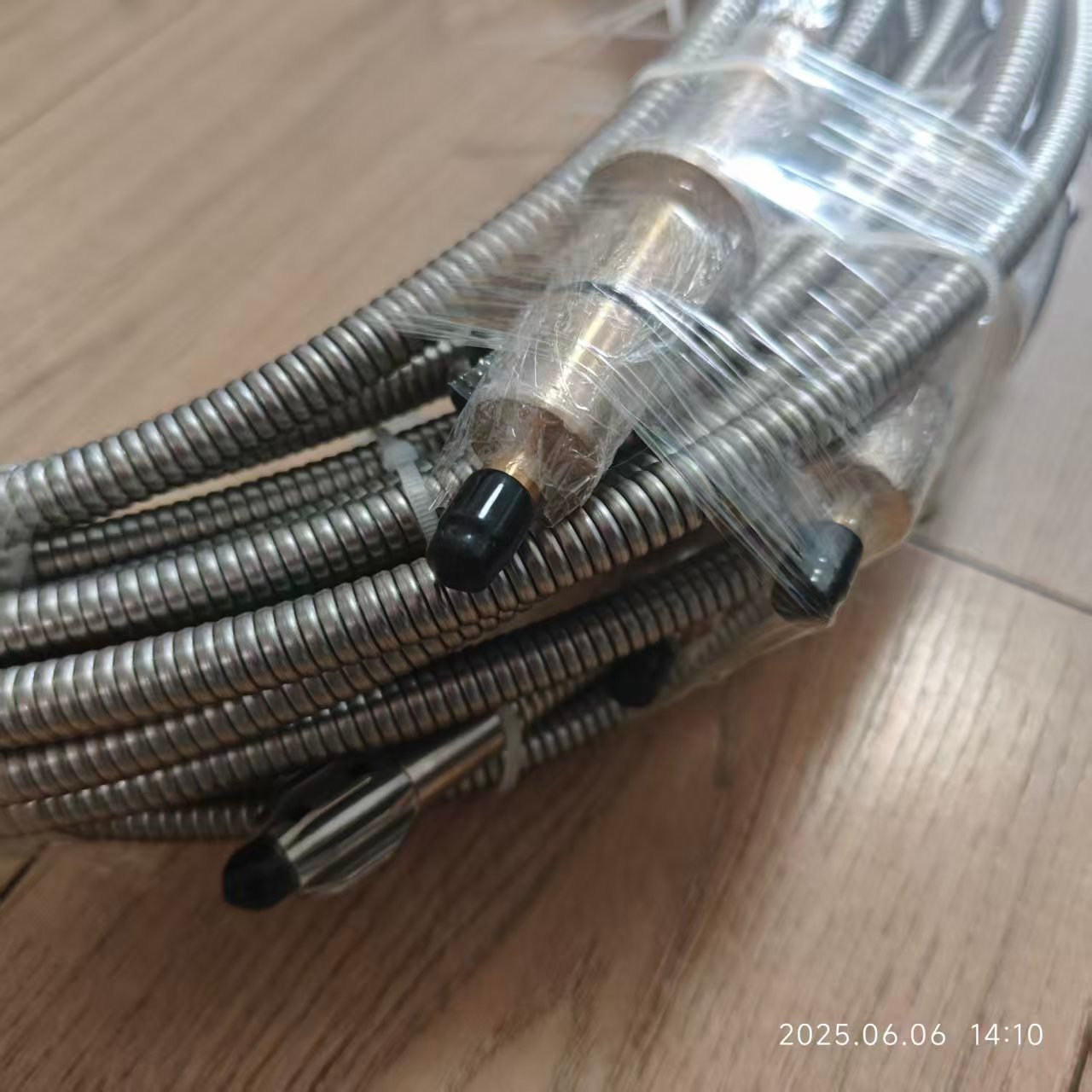
One advanced solution in this field is the ABB SF810-F0-G-2400N Flame Detection Optical Fiber, designed to support stable signal transmission and enhance performance in demanding industrial applications.
Understanding Flame Detection in Industrial Boilers
Industrial boilers depend on continuous combustion processes to generate heat and energy. Flame detection systems are responsible for verifying the presence and quality of the flame during operation.
These systems perform several critical functions:
Detecting flame presence or absence
Monitoring combustion stability
Triggering alarms in case of flame failure
Supporting automatic shutdown procedures
Failure in flame detection can result in:
Fuel accumulation and explosion risks
Equipment damage
Unplanned downtime
Safety compliance violations
Therefore, accurate and real-time flame monitoring is essential for safe boiler operation.
Limitations of Traditional Flame Detection Methods
Conventional flame detection systems typically rely on:
UV (ultraviolet) sensors
IR (infrared) sensors
Direct line-of-sight detectors
While effective in controlled environments, these systems face several challenges in industrial boilers:
1. High Temperature Interference
Extreme heat can degrade sensor components and distort readings.
2. Electromagnetic Interference
Industrial environments generate strong electromagnetic fields that affect signal accuracy.
3. Limited Installation Flexibility
Direct line-of-sight requirements restrict sensor placement.
4. Signal Instability
Vibration and mechanical stress can lead to inconsistent readings.
These limitations reduce overall system reliability and increase maintenance requirements.
The Role of Optical Fiber in Flame Detection
Optical fiber technology addresses many of the limitations associated with traditional flame detection systems.
Instead of placing sensors directly in harsh environments, optical fibers transmit flame signals from the combustion zone to remote detectors. This provides several key advantages:
1. Remote Sensing Capability
Sensors can be placed away from extreme heat zones, reducing damage risk.
2. High Signal Integrity
Optical fibers are immune to electromagnetic interference, ensuring stable data transmission.
3. Flexible Installation
Fibers can be routed through complex industrial layouts without compromising performance.
4. Fast Response Time
Light-based signal transmission enables real-time monitoring.
These advantages significantly improve flame detection accuracy and system reliability.
How Optical Fiber Improves Flame Detection Accuracy
1. Enhanced Signal Stability
Optical fibers maintain consistent signal transmission even in high-vibration environments, reducing false alarms and missed detections.
2. Reduced Environmental Interference
Unlike electrical signals, optical signals are not affected by electromagnetic noise, ensuring accurate readings.
3. Precise Flame Monitoring
Optical systems can capture subtle changes in flame intensity, enabling more precise combustion control.
4. Reliable Long-Distance Transmission
Signals can be transmitted over long distances without degradation, allowing centralized monitoring systems.
5. Improved Calibration Consistency
Stable transmission reduces the need for frequent recalibration, improving operational efficiency.
Application in Industrial Boiler Systems
Optical fiber flame detection systems are widely used in:
Power Generation Boilers
Ensuring stable combustion in coal-fired and gas-fired power plants.
Handling variable fuel conditions and complex combustion environments.
Steel and Metallurgical Furnaces
Operating under extreme temperatures and heavy vibration.
In all these applications, optical fiber systems provide enhanced safety and performance.
Importance of Fiber Protection in Harsh Environments
While optical fiber technology offers significant advantages, the fibers themselves must be protected from:
High temperatures
Mechanical stress
Chemical exposure
Abrasion and bending
Without proper protection, fibers can degrade, leading to signal loss and system failure.
This is where specialized industrial fiber solutions play a critical role.
Advanced Fiber Solution for Industrial Flame Detection
The ABB SF810-F0-G-2400N Flame Detection Optical Fiber is engineered to meet the demanding requirements of industrial boiler environments.
Key Features
High-temperature resistance for stable performance
Durable construction for vibration-heavy environments
Optimized optical transmission for accurate signal delivery
Long service life reducing maintenance costs
Performance Benefits
Consistent flame signal accuracy
Reduced risk of false alarms
Improved system uptime
Enhanced operational safety
By integrating such advanced fiber solutions, operators can significantly improve flame detection performance.
Reducing System Failures with Optical Fiber Technology
System failures in flame detection are often caused by:
Signal degradation
Sensor overheating
Mechanical damage
Electrical interference
Optical fiber systems address these issues by:
Isolating sensors from harsh environments
Providing stable signal transmission
Reducing dependency on electrical components
This results in fewer failures and more reliable boiler operation.
Maintenance and Operational Advantages
Optical fiber-based flame detection systems offer several maintenance benefits:
Lower inspection frequency
Reduced component replacement
Easier troubleshooting
Predictable maintenance schedules
These advantages contribute to lower operational costs and improved efficiency.
Integration with Modern Automation Systems
Industrial boilers are increasingly integrated into advanced automation systems, including:
Distributed Control Systems (DCS)
Programmable Logic Controllers (PLC)
SCADA monitoring platforms
Optical fiber flame detection systems can seamlessly integrate into these environments, providing real-time data for centralized control and monitoring.
Future Trends in Flame Detection Technology
The future of flame detection is moving toward:
Smart sensors with AI-based diagnostics
Predictive maintenance systems
Enhanced data analytics
Fully integrated safety automation platforms
Optical fiber technology will continue to play a key role in enabling these advancements.
Conclusion
Flame detection accuracy is essential for the safe and efficient operation of industrial boilers. Traditional detection methods, while effective, face significant limitations in harsh industrial environments.
Optical fiber technology provides a powerful solution by improving signal stability, reducing interference, and enabling flexible system design. With the addition of advanced fiber solutions like the ABB SF810-F0-G-2400N Flame Detection Optical Fiber, industrial operators can achieve higher reliability, improved safety, and better overall performance.
As industrial systems continue to evolve, investing in optical fiber-based flame detection is not just a technical upgrade—it is a strategic decision that ensures long-term operational success.