
Industrial Flame Detection System Reliability in Power Plants: How Fiber Protection Improves Safety and Performance
Introduction
Modern power plants operate under extremely high temperatures, continuous combustion processes, and strict safety regulations. In such environments, flame detection systems are not optional—they are critical safety infrastructure.
A single failure in flame detection can lead to turbine damage, furnace instability, or even catastrophic fire incidents. That is why industrial operators increasingly rely on advanced optical flame detection systems supported by durable fiber protection components.
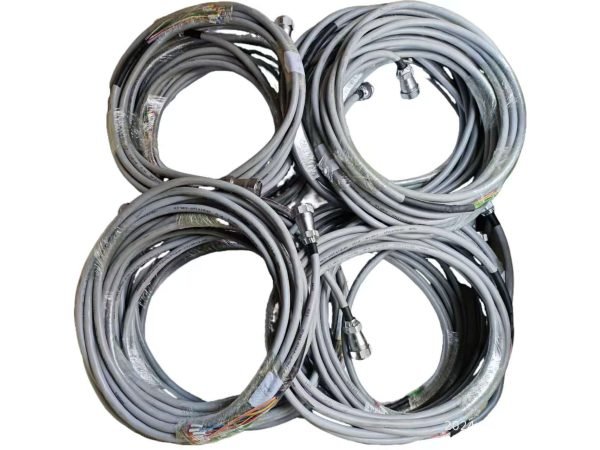
One such component is the ABB SF810-0GP-F-2400-N Flame Detection Fiber Sheath, designed to protect sensitive optical fiber lines used in flame monitoring systems under extreme industrial conditions.
This article explains how fiber protection improves flame detection reliability, reduces system failure risks, and supports long-term operational safety in power plants.
The Role of Flame Detection in Power Plants
Flame detection systems are essential in:
- Coal-fired power plants
- Gas turbine systems
- Boiler combustion chambers
- Waste-to-energy facilities
- Petrochemical furnaces
Their main function is to continuously monitor combustion and detect abnormal flame behavior such as:
- Flame loss
- Flame instability
- Delayed ignition
- Excess combustion temperature
If these conditions are not detected immediately, they can result in equipment damage or operational shutdown.
Modern systems often use optical fiber-based sensors because they offer:
- High sensitivity
- Fast response time
- Immunity to electromagnetic interference
- Long-distance signal transmission
However, optical fibers are also vulnerable to heat, vibration, and mechanical stress—making protection systems essential.
Why Fiber Protection Is Critical in Flame Detection Systems
In industrial environments, optical fibers are exposed to several risks:
1. High Temperature Exposure
Power plant environments can exceed several hundred degrees Celsius. Direct exposure can degrade fiber coatings and signal integrity.
2. Mechanical Stress and Vibration
Turbines and boilers generate continuous vibration that can damage unprotected fiber cables.
3. Chemical Corrosion
Flue gases and industrial chemicals may degrade standard protective materials.
4. Installation Constraints
Complex piping and confined spaces increase the risk of bending stress.
Without proper protection, fiber degradation leads to:
- Signal loss
- False flame readings
- Delayed detection response
- System downtime
This is where advanced fiber sheathing solutions become essential.
ABB Fiber Sheath Technology in Industrial Applications
The ABB SF810-0GP-F-2400-N Flame Detection Fiber Sheath is engineered specifically to address these challenges in industrial flame detection systems.
Key Functional Advantages
1. High-Temperature Resistance
The sheath is designed to maintain structural integrity under elevated thermal conditions commonly found in boiler and turbine environments.
2. Mechanical Protection
It provides reinforced protection against vibration, bending stress, and physical abrasion.
3. Stable Optical Transmission
By reducing micro-bending and external stress, it ensures consistent signal transmission quality.
4. Long Service Life
Durable materials reduce maintenance frequency and replacement costs.
5. Compatibility with ABB Systems
It integrates seamlessly with ABB flame detection architectures used in industrial automation environments.
How Fiber Sheaths Improve System Reliability
System reliability in flame detection depends on signal stability and sensor integrity. Fiber sheathing contributes to both.
1. Reducing Signal Degradation
Protected fibers maintain consistent light transmission, minimizing false readings.
2. Improving Response Accuracy
Stable optical pathways ensure real-time flame detection without delay.
3. Preventing Unexpected Shutdowns
By reducing fiber failure risk, plants avoid unplanned downtime.
4. Enhancing Safety Compliance
Reliable flame detection supports compliance with industrial safety standards such as IEC and ISO regulations.
Application Scenarios in Power Generation
Coal-Fired Boilers
High dust and heat levels require robust fiber protection for stable flame monitoring.
Gas Turbines
Vibration and high-speed airflow demand mechanically reinforced optical systems.
Waste Incineration Plants
Corrosive gases make protective sheathing essential for sensor longevity.
Petrochemical Furnaces
Extreme temperature fluctuations require thermally stable fiber protection solutions.
Common Causes of Flame Detection Failure
Understanding failure points helps highlight the importance of fiber protection:
- Fiber micro-cracks due to bending stress
- Thermal degradation of coating materials
- Connector contamination
- Signal attenuation from vibration damage
- Improper installation routing
Most of these failures can be significantly reduced through proper fiber sheath design and installation practices.
H2: Engineering Benefits for Maintenance Teams
Maintenance engineers benefit directly from improved fiber protection:
- Reduced inspection frequency
- Lower replacement costs
- Faster troubleshooting
- Increased system uptime
- Predictable maintenance cycles
This improves operational efficiency across the entire plant lifecycle.
Integration with Modern Industrial Automation Systems
Today’s power plants use integrated automation platforms combining:
- DCS (Distributed Control Systems)
- PLC-based control systems
- SCADA monitoring networks
- Intelligent safety shutdown systems
Fiber-based flame detection systems, when properly protected, can integrate seamlessly into these architectures, ensuring real-time data flow and centralized monitoring.
Why Fiber Protection Is a Strategic Investment
Although often considered a small component, fiber sheathing plays a critical role in system architecture.
Investing in high-quality protection like the ABB SF810-0GP-F-2400-N model leads to:
- Higher plant safety margins
- Reduced operational risk
- Lower lifecycle maintenance cost
- Improved regulatory compliance
- Increased equipment lifespan
In industrial terms, this translates directly into cost savings and risk reduction.
Conclusion
Flame detection systems are the first line of defense in industrial combustion environments. However, their reliability depends not only on sensors and controllers but also on supporting infrastructure such as optical fiber protection.
The ABB SF810-0GP-F-2400-N Flame Detection Fiber Sheath plays a crucial role in ensuring stable signal transmission, protecting against harsh environmental conditions, and improving overall system reliability.
For power plants and heavy industrial operators, investing in robust fiber protection is not just a technical decision—it is a strategic safety requirement that directly impacts operational continuity and risk management.