ABB SF810INT-LOS-IR-NQ-C-W Infrared Flame Scanner: Complete Technical Overview
Introduction
The ABB SF810INT-LOS-IR-NQ-C-W is a line-of-sight (LOS) infrared flame detection probe engineered for critical combustion monitoring in industrial boilers, furnaces, and process heaters. As part of ABB's Uvisor™ SF810i series, this integrated flame scanner combines optical sensing, signal processing, and output relaying in a single rugged housing—eliminating the need for external processors or amplifiers.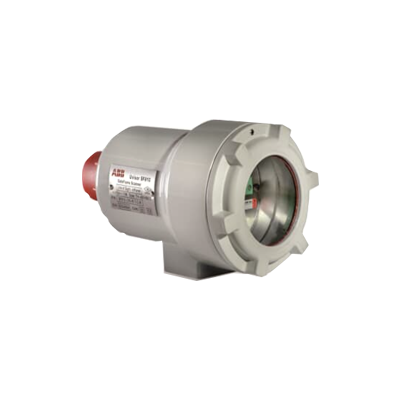
Model Number Breakdown
Understanding the ABB nomenclature is essential for proper selection:
Key Technical Specifications
Core Technology & Advantages
Integrated Architecture
Traditional flame detection systems required separate scanners and analysis units. The SF810INT eliminates this complexity by integrating all signal processing electronics directly inside the probe housing. This delivers direct 4–20 mA and switch output signals to PLC or DCS systems, reducing cabling costs and minimizing signal degradation over long distances.
Intelligent Flicker Frequency Recognition
The SF810INT doesn't just measure light intensity—it analyzes the characteristic flicker frequency of combustion flames. This advanced algorithm distinguishes genuine flames from hot refractory background radiation, virtually eliminating false alarms that plague simpler detectors.
Multi-Fuel Versatility
The scanner supports a wide range of fuels including natural gas, coke oven gas, light and heavy fuel oils, pulverized coal, and Orimulsion. This flexibility makes it ideal for utility and industrial boilers with varying fuel compositions.
Robust Environmental Protection
With IP66/IP67 ingress protection and ATEX explosion-proof certification (II 2GD Ex d IIC T6), the SF810INT-LOS-IR-NQ-C-W withstands harsh conditions including high temperatures, vibration, dust, and electromagnetic interference. The C-W suffix confirms weatherproof connectorization suitable for outdoor or humid installations.
Applications
The SF810INT-LOS-IR-NQ-C-W is deployed across multiple industries:
Power Generation: Coal-fired boiler main burner monitoring, particularly under low-load stabilization conditions
Petrochemical & Refining: Furnace and cracker heater flame surveillance
Waste-to-Energy: Rapid flame-out response for variable-fuel incineration
Steel & Metals: High-temperature BFG (Blast Furnace Gas) boiler monitoring
Cement & Pulp/Paper: Process heater combustion verification
Installation & Maintenance Considerations
Alignment Optimization
For optimal performance, the probe axis should target the most stable region of the flame root, typically 0.5–1.5 meters from the burner nozzle. Proper line-of-sight alignment with the flame center is critical—avoid mechanical obstructions or reflective interference.
Cooling Air Management
Clean, dry compressed air must be supplied for lens cleaning. The airflow creates a positive pressure curtain that prevents soot and particulate buildup while cooling internal electronics. Flow requirements start at 115 l/min (4 SCFM) for LOS versions, with up to 400 l/min (14 SCFM) recommended for heavily contaminated environments.
Electrical Integration
The scanner provides:
4–20 mA analog output (galvanically isolated, R_load ≤ 500Ω) for flame intensity monitoring
Flame relay (1 NO contact) for burner management system (BMS) interlock
Dual RS-485 ports configurable for Modbus or Profibus communication
Why Choose the SF810INT-LOS-IR-NQ-C-W?
Simplified System Architecture – No external processors or amplifiers required
Superior False Alarm Rejection – Flicker frequency analysis distinguishes flame from background radiation
Multi-Fuel Capability – Single scanner handles gas, oil, coal, and alternative fuels
Harsh Environment Ready – ATEX certified with IP66/IP67 protection
Seamless Integration – Direct PLC/DCS connectivity with Modbus/Profibus support
Proven Reliability – Backed by ABB's decades of combustion safety expertise
Conclusion
The ABB SF810INT-LOS-IR-NQ-C-W represents a significant advancement in industrial flame detection. By integrating infrared sensing, intelligent signal processing, and robust environmental protection into a single, ATEX-certified housing, it delivers the reliability and performance that modern burner management systems demand. Whether for new greenfield installations or upgrading aging flame detection infrastructure, this scanner provides a cost-effective path to enhanced combustion safety and efficiency.