ABB SF810-FOC-IR Flame Scanner: The Ultimate Technical Guide to Infrared Fiber Optic Flame Detection
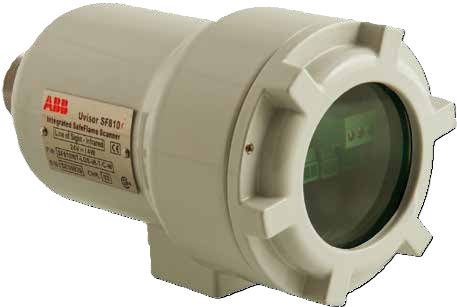
When it comes to high-reliability multi-burner environments, the ABB SF810-FOC-IR Flame Scanner stands out as the premium industry standard. Utilizing cutting-edge infrared (IR) sensing coupled with flexible fiber optic cables (FOC), this system delivers pinpoint accuracy where standard scanners fail.
At Wuhan Yuli Automation Technology Co., Ltd., we specialize in supplying 100% genuine industrial automation components. In this comprehensive guide, we will break down the technical specifications, core benefits, and troubleshooting practices for the ABB SF810-FOC-IR.
Understanding the Model Code: SF810-FOC-IR
ABB’s naming convention reflects the exact engineering architecture of the device. Let’s decode what SF810-FOC-IR means for your combustion system:
SF810 Series: This is ABB’s flagship family of intelligent, multi-flame scanners. It features advanced microprocessor-based signal processing capable of filtering out background radiation from adjacent burners.
FOC (Fiber Optic Cable): Unlike direct-view scanners, FOC models use a flexible fiber optic assembly. This allows the sensitive electronic sensor to be mounted away from the extreme heat, vibration, and physical constraints of the burner front.
IR (Infrared): This specifies the sensor type. Infrared scanners track the low-frequency flicker profile typical of fossil fuels like coal, heavy oil, and certain industrial gases.
Core Technical Features of the ABB SF810-FOC-IR
1. Advanced Flashing Frequency Discrimination
In a multi-burner furnace, an infrared sensor can easily be fooled by the background glow of hot refractory bricks or neighboring flames. The SF810-FOC-IR solves this via flicker frequency analysis. It doesn't just look for IR amplitude (brightness); it detects the specific micro-pulsations (flicker) unique to the root of the targeted flame.
2. High-Temperature Fiber Optic Isolation
By decoupling the sensor head from the viewing lens via fiber optics, the electronics are shielded from extreme furnace temperatures. The fiber optic inner assembly can withstand harsh thermodynamic stress, ensuring continuous monitoring even during peak boiler loads.
3. Dual-Channel Programmable Settings
The SF810 system allows independent configuration for "Flame On" and "Flame Off" thresholds. Engineers can program specific frequency ranges and gain settings via ABB’s proprietary software, ensuring seamless integration into the Burner Management System (BMS).
Typical Industrial Applications
The IR profile and fiber optic flexibility make the SF810-FOC-IR ideal for challenging, high-capacity combustion environments:
Coal-Fired Power Plants: Coal flames produce high infrared signatures mixed with heavy ash and particulate matter. The IR sensor cuts through the dust, while the FOC allows optimal positioning.
Petrochemical Fired Heaters: Used in refining processes where safety interlocks require zero false-flame indications.
Heavy Fuel Oil (HFO) Burners: Perfect for tracking the intense, high-radiation flames produced by heavy oils.
Maintenance and Common Troubleshooting for SF810-FOC-IR
To prevent unexpected safety trips or false flame-out alarms, regular preventative maintenance is required. Here are the expert tips from the Wuhan Yuli Automation engineering team:
Issue 1: Weak Flame Signal Margins
Root Cause: Over time, fly ash, soot, or oil residue accumulates on the fiber optic lens or inside the guide pipe, blocking the IR light.
Solution: Implement a routine purge-air check. Ensure the cooling and purging air supply is clean, dry, and set to the correct pressure to keep the lens face clean. Wipe the lens carefully with lint-free cloth and industrial alcohol if fouled.
Issue 2: Background Flame Interference
Root Cause: High gain settings or improper frequency tuning causing the scanner to read radiation from the opposite wall or adjacent burner.
Solution: Connect to the ABB diagnostic terminal and adjust the electronic filter settings. Narrow down the target flicker frequency band to isolate the specific burner flame root.
Issue 3: Intermittent Signal Dropouts
Root Cause: Physical damage or excessive bending of the fiber optic cable. Internal glass fibers can fracture under extreme mechanical stress or tight bends.
Solution: Check the bend radius of the FOC. Never exceed the manufacturer's specified minimum bend radius. If internal fibers are fractured, the cable assembly must be replaced.
Why Source Your ABB SF810-FOC-IR from Wuhan Yuli Automation?
Flame scanners are critical safety assets. Utilizing counterfeit, refurbished, or poorly handled equipment can compromise your entire facility's safety integrity level (SIL).
Wuhan Yuli Automation Technology Co., Ltd. is your trusted global supplier for premium B2B automation hardware. When you partner with us, you receive:
100% Genuine Factory-Original Parts: Every ABB SF810-FOC-IR we ship comes in original packaging with fully traceable serial numbers.
Extensive Inventory & Rapid Delivery: We maintain deep stocks of elite brands like ABB, VALMET, MOOG, and STONEL, reducing your MRO lead times significantly.
Expert Technical Consulting: Our engineers can help you verify model compatibility, choose appropriate fiber optic lengths, and assist with replacement part selection.
Global Supply Logistics: Whether your plant is in Southeast Asia, Europe, the Middle East, or the Americas, we provide secure, fast, and fully insured international shipping.
Get a Fast Quote Today
Don't let a failing flame scanner jeopardize your plant's safety and uptime. Contact our sales department today for competitive pricing, datasheets, and stock availability for the ABB SF810-FOC-IR.
Official Website: https://yuliautomation.com
Core Portfolio: ABB Burner Components, VALMET Positioners, MOOG Servo Valves, STONEL Limit Switches.
Submit your RFQ directly through our website, and our dedicated account managers will respond with a comprehensive quote within 24 hours!